Korean Fried Chicken (Yangnyeom Chicken) – Crispy Double-Fried
- Prep
20 minutes - Cook
35 minutes - Serves
3-4 servings - Difficulty
medium
Ingredients
- 2 lbs chicken wings or drumettes
- 1/2 tsp salt
- 1/4 tsp black pepper
- 1 cup potato starch or cornstarch
- Neutral oil for deep frying (about 4 cups)
- 3 tbsp gochujang (Korean red chili paste)
- 3 tbsp gochugaru (Korean red chili flakes)
- 4 tbsp honey or corn syrup
- 3 tbsp soy sauce
- 3 tbsp rice vinegar or apple cider vinegar
- 5 cloves garlic, minced
- 1 tbsp fresh ginger, minced
- 2 tbsp ketchup
- 1 tbsp sesame oil
- 2 tbsp water
- Toasted sesame seeds for garnish
- Sliced green onions for garnish
Korean fried chicken has earned its global reputation for one reason: that impossibly thin, crackling crust that stays crispy even under a glossy coat of sweet-spicy sauce. The secret isn’t magic—it’s the double-fry method (더블 프라이), a technique that renders out moisture and creates an ultra-crunchy shell. Once you nail this method at home, you’ll understand why Koreans queue up at chicken shops on Friday nights.
Prepare the Chicken
Pat your chicken pieces completely dry with paper towels—this is crucial. Any surface moisture will fight against that crispy crust you’re after. Season the chicken all over with salt and black pepper, then let it sit at room temperature for 15 minutes while you set up your frying station. This brief rest helps the seasoning penetrate and takes the chill off the meat, so it cooks more evenly.
Make the Yangnyeom Sauce
In a medium saucepan over low heat, combine the gochujang, gochugaru, honey, soy sauce, vinegar, garlic, ginger, ketchup, sesame oil, and water. Stir constantly for 3-4 minutes until the sauce becomes smooth and glossy and the raw garlic smell mellows into something fragrant and sweet. The sauce should coat the back of a spoon but still drip slowly—add a splash more water if it’s too thick. Taste it: you want a balance of sweet, tangy, spicy, and savory. This ratio is my baseline, but you’ll adjust the heat in the next section. Turn off the heat and set aside.
Adjusting the spice level: If you want milder chicken, reduce the gochugaru to 1 tablespoon and use only 2 tablespoons of gochujang, adding an extra tablespoon of ketchup to maintain body. For serious heat lovers, add 1 teaspoon of Korean chili powder (청양고추 powder) or a pinch of cayenne. Remember, gochugaru adds color and moderate heat, while gochujang brings deep fermented complexity—you need both for authentic flavor, just in smaller amounts if you’re spice-shy.
First Fry – Low and Slow
Heat about 3 inches of neutral oil (vegetable, canola, or rice bran oil) in a heavy pot or deep skillet to 320-330°F (160-165°C). While the oil heats, dredge each chicken piece in potato starch, shaking off any excess—you want a light, even coating, not clumps. Potato starch gives a lighter, crispier result than wheat flour; cornstarch is your second-best option if you can’t find it.
Fry the chicken in batches—don’t crowd the pot—for about 8-9 minutes, turning occasionally. The chicken should be cooked through (165°F internal temperature) and pale golden, not deeply browned. This first fry is about cooking the meat gently and setting the structure. Remove the chicken to a wire rack and let it rest for at least 5 minutes, up to 10. During this rest, the residual heat continues to cook the inside while the outside begins to dry out. This rest is non-negotiable for the double-fry method to work.
Second Fry – Hot and Fast
Increase your oil temperature to 350-360°F (175-180°C). This higher heat is what creates that signature shatter-crisp texture. Return the chicken to the oil in batches and fry for 3-4 minutes until deep golden brown and audibly crackling. The starch coating will puff and crisp dramatically. When you lift a piece out, it should feel light and the surface should look almost blistered. Drain on the wire rack for 30 seconds—no longer, because you want to sauce it while it’s still hot.
Toss and Serve
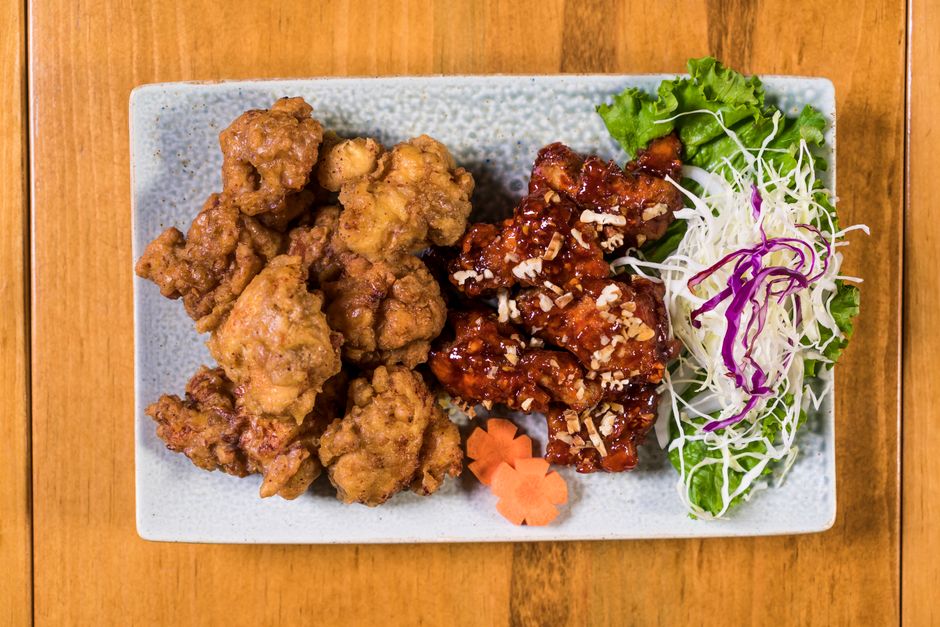
If you want fully sauced yangnyeom chicken, reheat your sauce until it’s warm and fluid, transfer the hot fried chicken to a large mixing bowl, pour the sauce over, and toss gently but thoroughly with tongs or a large spoon until every piece is glossy. Work quickly so the heat helps the sauce cling. For a half-and-half platter, toss only half the batch in sauce and leave the rest plain—this is a popular option in Korea.
Transfer to a serving plate and sprinkle generously with sesame seeds and sliced green onions. Serve immediately with pickled radish (danmuji or quick-pickled daikon), cold beer, and plenty of napkins. The contrast between the crispy exterior and the sticky-sweet sauce is best enjoyed right away, though honestly, even room-temperature leftovers are dangerously good straight from the fridge the next morning.
Substitutions and tips: No gochugaru? Use 1 tablespoon of regular red pepper flakes plus 1 tablespoon of smoked paprika for color, though the flavor will be less authentic. Can’t find gochujang? Mix 2 tablespoons miso paste with 1 tablespoon sriracha and 1 teaspoon sugar—it won’t be the same, but it’ll give you a similar savory-spicy base. If potato starch is elusive, cornstarch works well; avoid all-purpose flour, which tends to get soggy under sauce.